Hot Water Systems in Turrella
1000+ five-star reviews
Hot water is the appliance a home only notices when it stops. Across the short streets between the railway line and Wolli Creek, that moment tends to arrive without warning, on a cold morning when a decades-old tank has finally given up.
Your Plumber Turrella keeps this valley pocket in hot water, whether the fix is a single failed part, a full system swap, or a brand-new unit for a renovated cottage. Every job carries a $0 call out fee and a fixed price agreed before a spanner moves.
This page is the map. It routes you to the right service for what is actually happening, from an urgent no hot water morning to a planned upgrade, and shows how gas, electric and instant systems compare before you commit.
The pattern here is specific. Long-held pre-war cottages mean storage tanks living on borrowed time, gas connections in the older homes, and a valley that leans hard on hot water through the colder months.
- $0 Call Out Fee
- Lifetime Labour Warranty
- Licensed & Insured

- Lic #275278C
- Licensed & Insured
- $0 Call Out Fee
- Lifetime Labour Warranty
- On-Site Fast, 24/7
- 1000+ five-star reviews
- Real Humans Answer, Day or Night
- Lic #275278C
- Licensed & Insured
- $0 Call Out Fee
- Lifetime Labour Warranty
- On-Site Fast, 24/7
- 1000+ five-star reviews
- Real Humans Answer, Day or Night
- Lic #275278CNSW plumbing licence, fully insured, water and gas
- $0 Call Out FeeIt costs nothing to get us to your door
- Lifetime Labour WarrantyIf it's not right, we come back. No questions. No cost.
- 1000+ five-star reviewsSydney homeowners have rated us five stars over a thousand times
1000+ five-star reviews across Sydney. $0 call out fee. And a fixed price before any work begins. The price we quote is the price you pay. No exceptions.
When a Turrella Home Runs Cold
Hot water rarely fails all at once. It warns you first, and reading those warnings early is the difference between a tidy repair and a flooded laundry cupboard.
Water runs lukewarm or cold. A dead element, a tripped thermostat or a burnt-out gas jet leaves the tank unable to reheat, and while that is sometimes a quick fix, sometimes the cylinder is simply worn out.
Recovery has slowed to a crawl. When the shower runs cold halfway through and takes an age to come back, sediment has usually caked the base of an ageing storage unit and quietly stolen its capacity.
Rust, damp or dripping at the base. Water pooling under the tank or staining the wall behind it points to a corroded cylinder, which is a replacement conversation rather than a repair one, and it will not improve on its own.
A steady leak or a burst line. Pressure faults and failing valves can send water where it should not be, at which point it becomes an emergency alongside burst pipes and needs stopping fast.
A rumble, a hiss or a knock. Unfamiliar noises from a storage tank usually mean sediment cooking against the base or a burner labouring, and the system is signalling that it is under strain before it quits entirely.
Matching the symptom to the right service is what this hub is for. A worn part points to a repair, a corroded cylinder to a replacement, and a cold-water morning at dawn straight to the phone.
Water runs lukewarm or cold
A dead element, a tripped thermostat or a burnt-out gas jet leaves the tank unable to reheat, and while that is sometimes a quick fix, sometimes the cylinder is simply worn out.
Recovery has slowed to a crawl
When the shower runs cold halfway through and takes an age to come back, sediment has usually caked the base of an ageing storage unit and quietly stolen its capacity.
Rust, damp or dripping at the base
Water pooling under the tank or staining the wall behind it points to a corroded cylinder, which is a replacement conversation rather than a repair one, and it will not improve on its own.
A steady leak or a burst line
Pressure faults and failing valves can send water where it should not be, at which point it becomes an emergency alongside burst pipes and needs stopping fast.
A rumble, a hiss or a knock
Unfamiliar noises from a storage tank usually mean sediment cooking against the base or a burner labouring, and the system is signalling that it is under strain before it quits entirely.
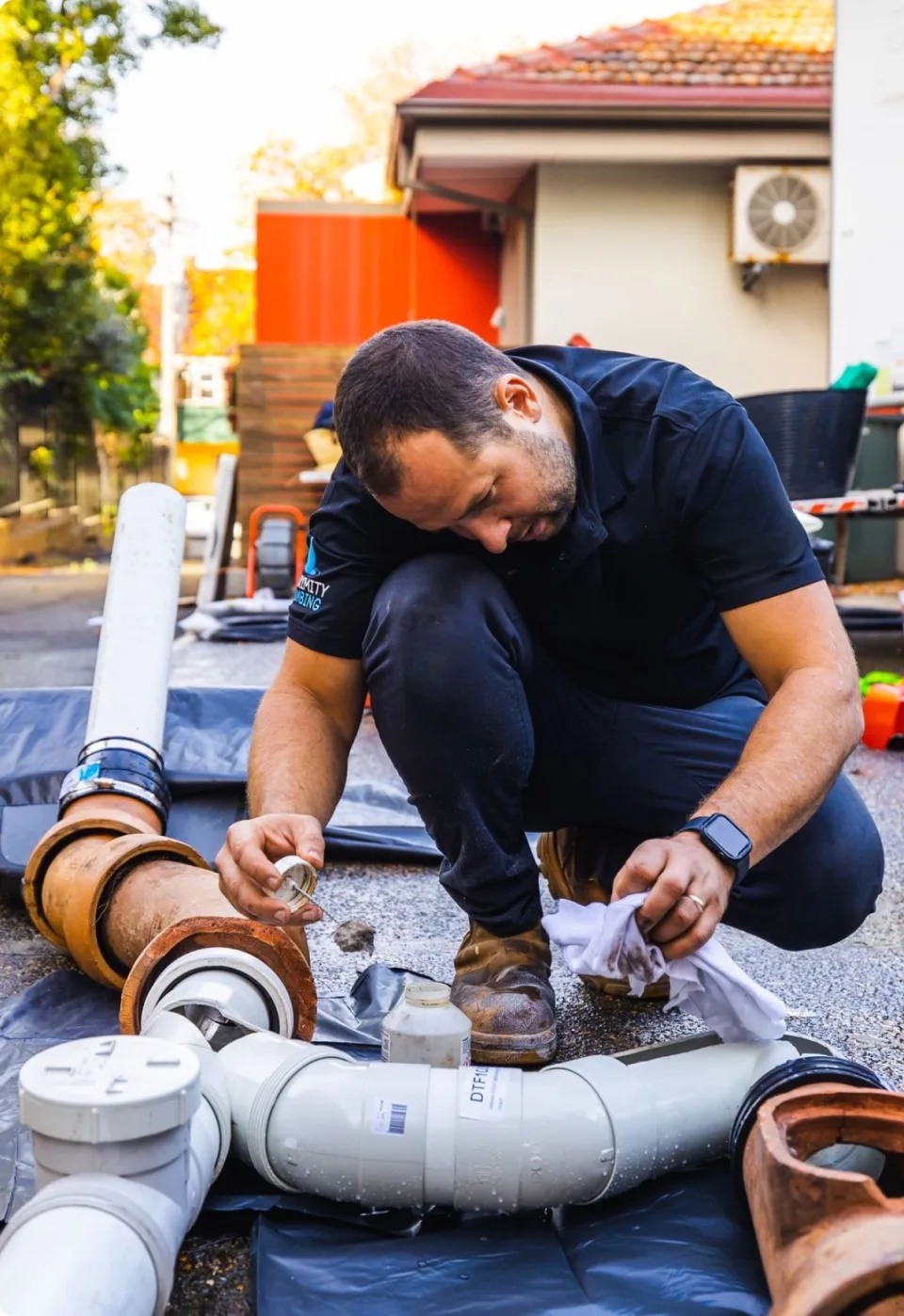
The Ageing Tanks Behind Turrella's Cottage Streets
The modest brick, fibro and weatherboard cottages that fill these blocks were built for railway families from the 1930s onward, and many have barely changed hands in three generations. Hot water systems get held onto the very same way.
Kept going until they quit
Age shows in familiar ways
None of that is a fault in the home. It is simply what a good cylinder does at the far end of its life, and it is the single most common hot water call we take across these streets.
A suburb mid-transition
Every Hot Water Service We Run
Six services cover the full life of a system, from a first repair through to a fresh install and every fuel type in between. Pick the one that matches your situation, or call and describe it and we will point you the right way.
Hot Water Replacement
When a storage cylinder in one of these long-held cottages finally rusts through, we take away the dead tank, size a suitable replacement to fit the household, and have hot water flowing again well before we pack up the van.
Hot Water Installation
Renovating an older home, adding a bathroom, or relocating the unit outside to free up space all call for a fresh install, sized and positioned properly, with the compliant pipework and valves a brand-new system genuinely needs from day one.
Hot Water Repair
Where the cylinder itself is sound, a failed element, a stuck thermostat, a weeping tempering valve or a spent gas burner is usually a same-visit repair that restores full hot water without the cost or upheaval of an entire replacement.
Gas Hot Water Systems
Plenty of the older homes here already carry a gas connection, so a gas storage or continuous-flow unit suits them well, running efficiently through heavy winter demand and freeing a household from the slower reheat of a tired electric tank.
Electric Hot Water Systems
Electric storage remains the simplest option for a cottage with no gas line, and a well-sized modern cylinder on the right tariff delivers dependable hot water while sidestepping the flue and clearance rules that a gas system has to satisfy.
Instant Hot Water Systems
Continuous-flow units heat water only as it is drawn, which saves the standing heat loss of a stored tank and never runs out mid-shower, a real advantage for a small home where indoor cupboard and outdoor space is genuinely tight.
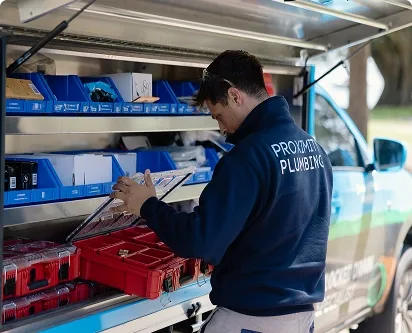
The Valley Winter That Drives Demand
Sitting on the floor of the Wolli Creek valley gives these streets a microclimate of their own. Cold air slides down off the Arncliffe and Earlwood ridges and pools here overnight, so winter mornings start colder than the postcode alone would suggest.
It hits hot water twice
Recovery slows when it is coldest
Continuous flow shrugs the cold off
An ageing cylinder that coped through summer often shows its age in June, and the morning it cannot keep up is rarely a coincidence. The valley's first real cold snap reliably marks the start of our busiest hot water season.
Choosing the Right System for a Turrella Home
Repair, replace or upgrade is one decision. What to put in is the next, and it comes down to fuel, capacity and the space a cottage can spare.
Gas versus electric. If a home already has gas, a gas system reheats faster and shrugs off the heavy winter draw, which suits a full household. Where there is no gas line, a modern electric tank on a suitable tariff is the straightforward, dependable choice.
Storage versus instant. A storage tank holds a set volume and needs time to recover once drained, while a continuous-flow unit heats on demand and never empties. Instant systems also reclaim the cupboard or wall space a tank occupies.
Sizing it honestly. An undersized unit runs cold at the worst moment, and an oversized one wastes energy holding water nobody uses. Bedroom count, bathroom count and morning habits set the right size far better than guesswork.
Running cost over the long haul. The unit that looks tidy on install day is not always the one that costs least to run for a decade, so the tariff, the fuel and the standing heat loss all belong in the decision, not just the sticker.
Whichever way it points, the gas, electric and instant pages set out each option in full, and we talk it through on-site before anything is ordered.
Gas versus electric
If a home already has gas, a gas system reheats faster and shrugs off the heavy winter draw, which suits a full household. Where there is no gas line, a modern electric tank on a suitable tariff is the straightforward, dependable choice.
Storage versus instant
A storage tank holds a set volume and needs time to recover once drained, while a continuous-flow unit heats on demand and never empties. Instant systems also reclaim the cupboard or wall space a tank occupies.
Sizing it honestly
An undersized unit runs cold at the worst moment, and an oversized one wastes energy holding water nobody uses. Bedroom count, bathroom count and morning habits set the right size far better than guesswork.
Running cost over the long haul
The unit that looks tidy on install day is not always the one that costs least to run for a decade, so the tariff, the fuel and the standing heat loss all belong in the decision, not just the sticker.
Sizing a System for a Full House
Getting the size right is where a hot water job quietly succeeds or fails. Too small and the household runs out; too large and money drains away holding water that goes untouched.
Count the draw-off points. Bedrooms and bathrooms are the honest starting figure, and a two-bed cottage with one bathroom has a very different demand curve from a renovated home with an ensuite and a second shower added.
Weigh the morning rush. A house where everyone showers inside the same hour needs either a larger stored volume or a continuous-flow unit, because a modest tank drained flat cannot recover fast enough to keep up.
Match the unit to the space. Many of these homes have little room to spare, so a slimline cylinder or a wall-mounted continuous-flow unit often solves both the capacity and the footprint at once.
Plan for how the house grows. A cottage part-way through renovation may soon gain a second bathroom or a bigger household, and sizing for where the home is heading avoids paying twice when demand climbs a year or two later.
We size on the real household in front of us, never on a sales default, so the system you approve actually suits the way the home uses hot water day to day.
Count the draw-off points
Bedrooms and bathrooms are the honest starting figure, and a two-bed cottage with one bathroom has a very different demand curve from a renovated home with an ensuite and a second shower added.
Weigh the morning rush
A house where everyone showers inside the same hour needs either a larger stored volume or a continuous-flow unit, because a modest tank drained flat cannot recover fast enough to keep up.
Match the unit to the space
Many of these homes have little room to spare, so a slimline cylinder or a wall-mounted continuous-flow unit often solves both the capacity and the footprint at once.
Plan for how the house grows
A cottage part-way through renovation may soon gain a second bathroom or a bigger household, and sizing for where the home is heading avoids paying twice when demand climbs a year or two later.

What the Older Pipework Behind the Tank Means
Hot water does not begin at the cylinder. It begins at the mains, and in the unrenovated pre-war cottages the supply that feeds the tank is often original galvanised pipe corroding quietly from the inside.
Discoloured hot water
Falling pressure and flow
A tank made to work harder
Where the pipework is the real culprit, a new tank alone will not cure it. Our leak detection work traces the supply back so the whole run is sound, not just the appliance on the end of it, so you avoid paying twice for a system the old pipes would only choke again.
Repair or Replace: Reading the Signs
Not every fault means a new system, and not every old tank is worth saving. A few honest signals tell you which side of the line a unit sits on.
Lean toward repair when the tank is sound. A cylinder in good condition with a single failed component, an element, a thermostat, a valve, is almost always faster and less costly to fix than to replace, and a repair buys years more service.
Lean toward replacement when the cylinder corrodes. Rust bleeding from the tank body, water pooling underneath, or a unit already well past a decade in service is telling you its useful life is done, and spending on it only delays the inevitable.
When it fails with no warning. A sudden cold-water morning or a tank leaking through the floor is urgent, and we keep the common systems in stock, so a genuine emergency is one we usually resolve on the first visit.
When the numbers favour an upgrade. Sometimes a repair is possible but a replacement is the smarter spend, especially when a tired electric tank on an older tariff sits beside an available gas line, and we lay out both paths honestly.
If you are unsure which column your system falls in, the hot water repair and hot water replacement pages spell out the trade-off, or a quick call sorts it fast.
Lean toward repair when the tank is sound
A cylinder in good condition with a single failed component, an element, a thermostat, a valve, is almost always faster and less costly to fix than to replace, and a repair buys years more service.
Lean toward replacement when the cylinder corrodes
Rust bleeding from the tank body, water pooling underneath, or a unit already well past a decade in service is telling you its useful life is done, and spending on it only delays the inevitable.
When it fails with no warning
A sudden cold-water morning or a tank leaking through the floor is urgent, and we keep the common systems in stock, so a genuine emergency is one we usually resolve on the first visit.
When the numbers favour an upgrade
Sometimes a repair is possible but a replacement is the smarter spend, especially when a tired electric tank on an older tariff sits beside an available gas line, and we lay out both paths honestly.
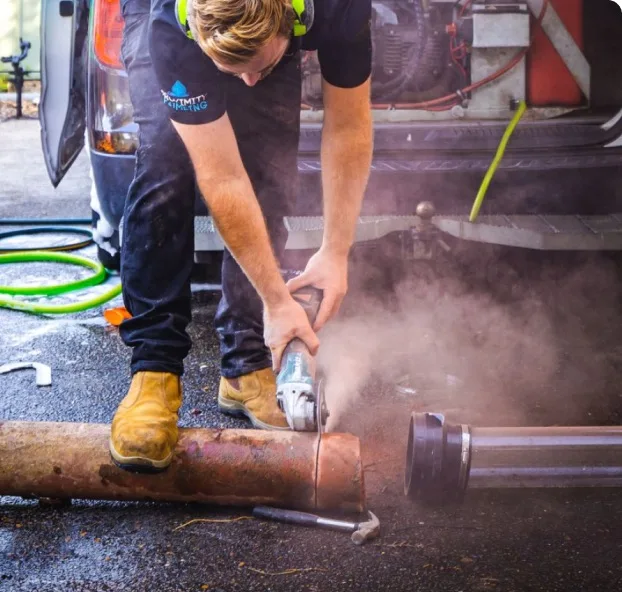
How it works
How a Job Works
- 01
Call us and talk to a plumber
Speak to a licensed plumber, not an answering machine. Tell us what's going on and we'll tell you what happens next.
- 02
We turn up when we say we will
Your plumber arrives on time, in a stocked van, ready to start, not ready to have a look and come back next week.
- 03
Fixed price before we lift a spanner
You get the full price in writing before any work begins. No surprises, no obligation. If you say no, that's fine. The call out cost you $0.
- 04
Fixed right, backed for life
The work is done properly, tested, and covered by our Lifetime Labour Warranty. If it's not right, we come back. No questions. No cost.
Why Homeowners Choose Us
Licensed & insured, Lic #275278C
Every plumber on the team is fully licensed and insured. Your compliance certificates are sorted, every time.
Lifetime Labour Warranty
Our workmanship is guaranteed for life. If it's not right, we come back. No questions. No cost.
Stocked vans, first-visit fixes
Our vans carry the parts for the common jobs, so most problems are fixed on the first visit, not after a second call out.
$0 Call Out Fee
Getting us to your door costs nothing. You only ever pay for work you've approved.
Fair, upfront pricing. No surprises.
Upfront Fixed Pricing, No Hourly Surprises
We don't charge by the hour, and we don't do estimates that grow. Your plumber assesses the job, gives you a fixed written price, and that's what you pay. The price we quote is the price you pay. No exceptions.
- $0 call out: the assessment and quote cost you nothing
- One fixed price, in writing, before any work begins
- No overtime rates: nights and weekends priced the same way
- Card, cash and payment plans accepted
No surprises, no obligation. If the price doesn't work for you, you owe us nothing.
Hot water rarely travels alone. A failing system often surfaces beside a wider emergency call, and the general plumbing and drainage teams pick up whatever else the older cottages throw up.
The price we quote is the price you pay. No exceptions.
Good questions, straight answers
Hot Water Questions Turrella Locals Ask
Can a leaking hot water tank be repaired, or does it need replacing?
A weeping tempering valve, a failed element or a dripping relief valve is usually a repair, but rust seeping from the cylinder wall itself means the tank has ended its life and needs replacing.
How long does an ageing storage system usually last around here?
Most storage cylinders are built for roughly a decade, yet the long-held cottage homes near the railway line routinely push tanks well past that until recovery slows or the unit fails outright.
Why does my hot water run cold faster in winter?
Cold air settling on the valley floor overnight lowers the incoming water temperature and lifts household demand, so a tired cylinder with sediment build-up recovers slower and empties sooner on frosty mornings.
Can I switch from an electric tank to gas hot water?
Yes, where a gas supply already serves the older homes we can change the fuel type over, though it involves new pipework and flue positioning, which we price in full before any work begins.
Do you replace a hot water system the same day you inspect it?
Common storage and continuous-flow units are carried ready to fit, so a straightforward like-for-like swap is usually finished the same visit once you approve the fixed written price.
What does a hot water job cost in Turrella?
There is a $0 call out fee, your plumber assesses the system and hands you one fixed written price covering the complete job, and nights and weekends are never charged at overtime rates.
Do you handle both gas and electric hot water systems?
Yes, we service and replace both, which matters on these streets because the older homes often run gas while cottages without a gas line rely on electric storage, and we match the fix to whichever the house has.
Need a Plumber in Turrella? Call Now
Need a plumber in Turrella? We're ready now.
Call (02) 9072 0592 and speak to a licensed plumber, not an answering machine, 24/7, including weekends and public holidays. Prefer a callback? Leave your details and we'll call you back fast, day or night.
Call (02) 9072 0592. $0 call out, fixed price before any work begins.
The wider picture of what we cover lives back on the home page, and neighbours from Wolli Creek across to Arncliffe reach the very same team, whether the job is a quick repair or a full system swap.