Drainage in Turrella
1000+ five-star reviews
Turrella sits on the valley floor of Wolli Creek, and that low, wet ground shapes every drain beneath it. When run-off, roots or a tired clay line turns a quiet drain into a backyard swamp, our licensed team clears, repairs and relines it fast.
- $0 Call Out Fee
- Lifetime Labour Warranty
- Licensed & Insured
- Lic #275278C
- Licensed & Insured
- $0 Call Out Fee
- Lifetime Labour Warranty
- On-Site Fast, 24/7
- 1000+ five-star reviews
- Real Humans Answer, Day or Night
- Lic #275278C
- Licensed & Insured
- $0 Call Out Fee
- Lifetime Labour Warranty
- On-Site Fast, 24/7
- 1000+ five-star reviews
- Real Humans Answer, Day or Night
- Lic #275278CNSW plumbing licence, fully insured, water and gas
- $0 Call Out FeeIt costs nothing to get us to your door
- Lifetime Labour WarrantyIf it's not right, we come back. No questions. No cost.
- 1000+ five-star reviewsSydney homeowners have rated us five stars over a thousand times
1000+ five-star reviews across Sydney. $0 call out fee. And a fixed price before any work begins. The price we quote is the price you pay. No exceptions.
When a Turrella drain starts backing up
Slow water is the first warning, and a drain rarely sorts itself out once it starts to struggle. These are the signs worth a call before a small blockage turns into a flooded floor.
Gurgles and slow emptying. A basin that drains slowly or a toilet that bubbles when the shower runs usually means a partial blockage is building somewhere down the line.
Sewage smells or overflow. Dark water welling up at a floor waste, or a foul odour drifting across the yard, points to a blocked sewer that wants clearing before it reaches the house.
Pooling after rain. Pits and downpipes that overflow in a storm signal an overloaded or broken stormwater line losing its fight with the valley run-off.
Damp patches or sinkage. A soggy strip of lawn, a sunken paver or a persistent damp wall can mean a drain is leaking underground long before anything backs up inside.
A gully flooding fast. When water rises up through a drain during heavy rain, treat it as urgent and reach for emergency help straight away.
Gurgles and slow emptying
A basin that drains slowly or a toilet that bubbles when the shower runs usually means a partial blockage is building somewhere down the line.
Sewage smells or overflow
Dark water welling up at a floor waste, or a foul odour drifting across the yard, points to a blocked sewer that wants clearing before it reaches the house.
Pooling after rain
Pits and downpipes that overflow in a storm signal an overloaded or broken stormwater line losing its fight with the valley run-off.
Damp patches or sinkage
A soggy strip of lawn, a sunken paver or a persistent damp wall can mean a drain is leaking underground long before anything backs up inside.
A gully flooding fast
When water rises up through a drain during heavy rain, treat it as urgent and reach for emergency help straight away.
Why the valley floor puts Turrella drains under pressure
Run-off from the Arncliffe and Earlwood ridges funnels straight down onto this valley floor and into Wolli Creek. In a heavy storm every street pit and downpipe is asked to shift far more water than the old network was ever built to carry.
The floodplain fills first
The network is undersized
Add the tidal reach of the creek along the suburb's edge, and the lowest streets can hold water long after the rain stops. Drains that cope in a shower simply give up in a downpour.
The drainage services we run across Turrella
Six drainage services cover the lot, from an emergency clear to a full reline. Tap any card to go deeper into the job:
Drainage Repair & Installation
Collapsed sections, broken gully traps and fresh stormwater connections get excavated, rebuilt or laid to correct grade, turning a failing run beneath a weatherboard cottage into a solid drain that carries water cleanly toward the creek once more.
Blocked Drains
Sinks that gurgle, gullies that overflow and a yard that reeks after rain all flag a blockage, and high-pressure jetting scours out the grease, silt and root matter choking these older lines back to full, steady flow.
Blocked Sewer
Sewage surging back through the lowest fixture, or a sour smell rising from the yard, signals a choked main, and we pinpoint the exact obstruction and clear it before any waste reaches the house.
Stormwater
Downpipes overflowing, pits brimming and water sheeting across the ground in a storm point to stormwater lines beaten by the valley run-off, which we clear, repair or upsize so rain drains well away from the house.
CCTV Drain Inspections
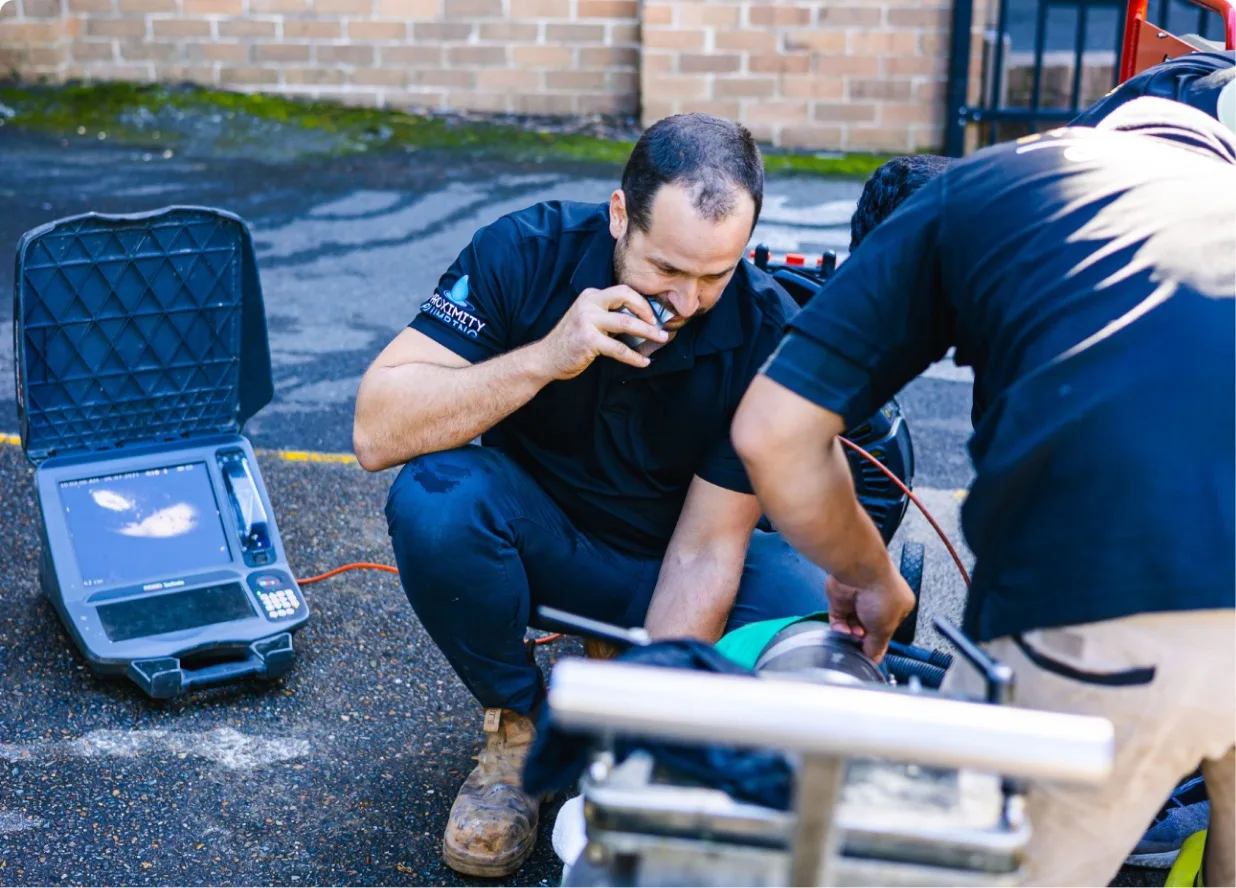
A drain camera threads through the pipe and shows exactly where roots, cracks or a collapse have taken hold, giving a clear diagnosis to the metre so no garden gets dug up on a hunch.
Pipe Relining
Digging up a whole yard is rarely needed now, because a resin liner cured inside the old clay rebuilds the pipe from within, shutting roots out for years with only small access points dug at each end.
Ninety years of clay beneath the pre-war streets
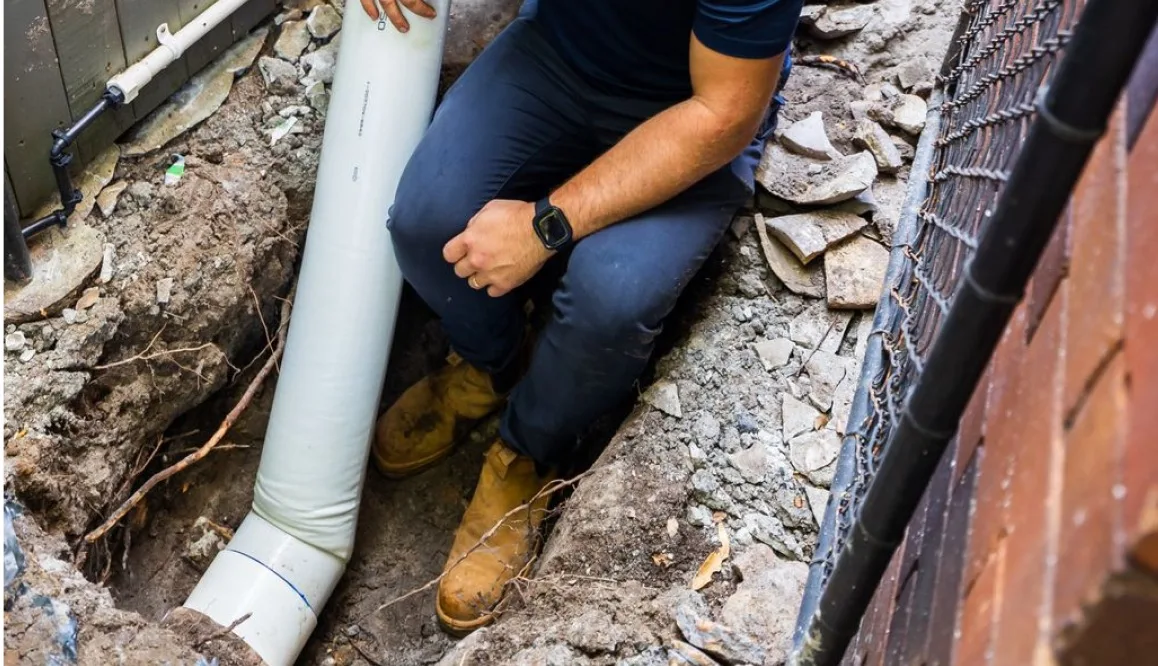
The workers' cottages along Loftus and Henderson Street were drained in clay and brittle earthenware, and ninety years of settlement in soft alluvial ground has cracked and offset the joints.
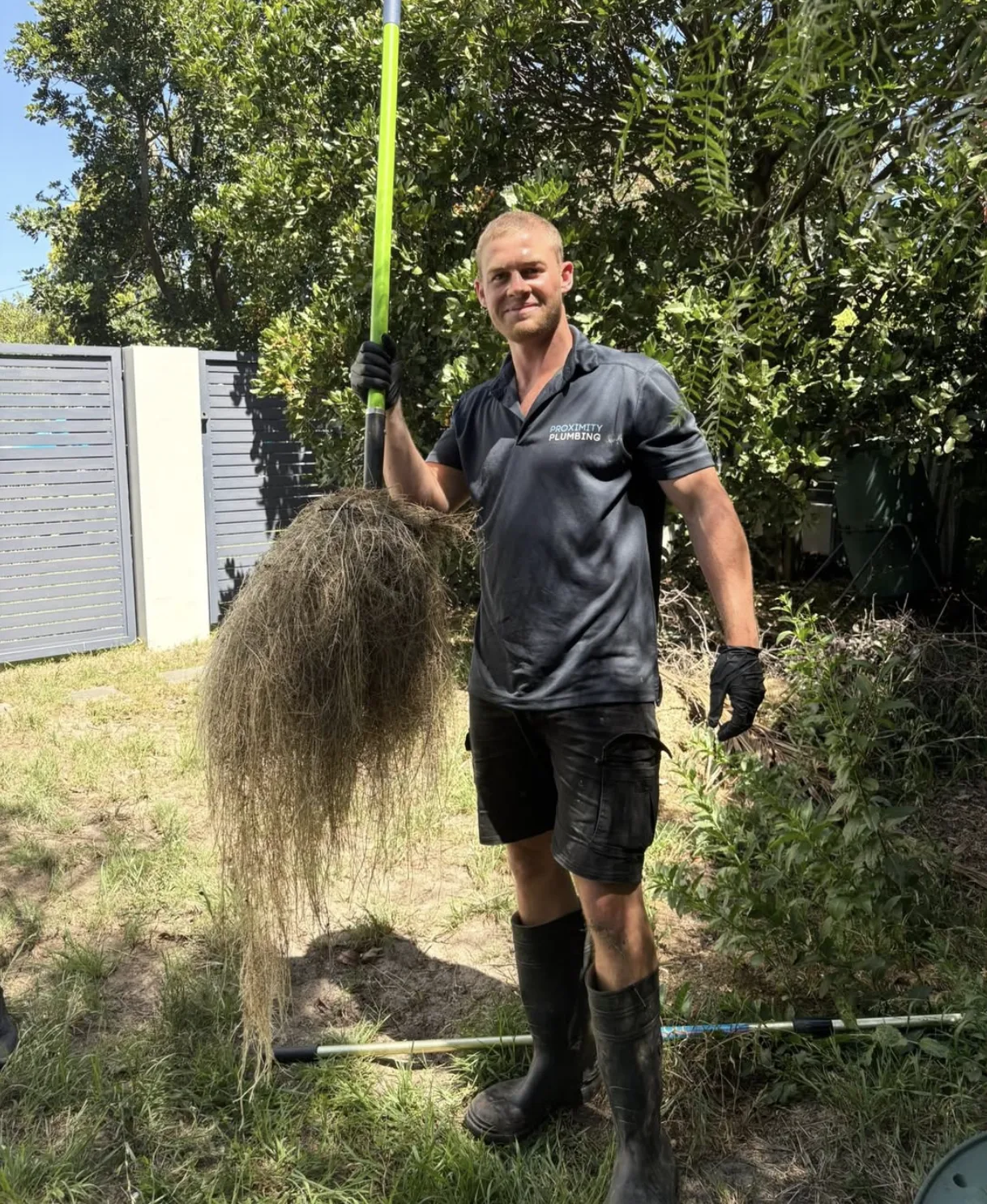
Roots find every crack
Offset joints leak both ways
Modern driveways and passing traffic finish the job, crushing earthenware that was never laid for the load. Most of these lines are candidates for a liner rather than another dig across the yard.
How we find and reline a broken drain
Guesswork wrecks gardens, so we look before we dig. A camera survey shows precisely where a line has blocked, cracked or dropped, and that picture decides the right repair.
Camera first. A CCTV inspection sends a small camera through the line to pinpoint roots, cracks and collapses to the metre, so nothing is opened up on assumption.
Jet to clear. High-pressure water scours out roots, grease and silt, restoring flow and leaving the pipe clean enough for the camera to grade the damage properly.
Reline to last. Where a pipe has cracked yet not collapsed, pipe relining cures a new liner inside the old one, sealing roots out for decades without trenching the whole property.
Dig only where needed. When a section really has failed, the camera marks it precisely so we open one tidy access point rather than chasing the fault blind across the lawn.
Camera first
A CCTV inspection sends a small camera through the line to pinpoint roots, cracks and collapses to the metre, so nothing is opened up on assumption.
Jet to clear
High-pressure water scours out roots, grease and silt, restoring flow and leaving the pipe clean enough for the camera to grade the damage properly.
Reline to last
Where a pipe has cracked yet not collapsed, pipe relining cures a new liner inside the old one, sealing roots out for decades without trenching the whole property.
Dig only where needed
When a section really has failed, the camera marks it precisely so we open one tidy access point rather than chasing the fault blind across the lawn.
How it works
How we decide to clear, repair or reline
Not every drain needs digging, and not every blockage needs a liner. The camera picture and the pipe's condition together decide the lightest fix that actually lasts.
Clear it. If the line is sound but choked with roots, grease or silt, a jet opens it and a follow-up camera confirms the walls are intact and flowing freely again.
Reline it. Cracked or root-invaded pipe that still holds its shape takes a cured liner, which seals the joints and shuts out fresh root entry without opening the ground.
Replace it. Only a fully collapsed or badly dropped section gets excavated and rebuilt, and even then the dig stays tight and the grade correct so the trouble stays gone.
Camera the outcome. Whatever the fix, a final camera pass proves the line runs clean and to grade, so you can see the result rather than take our word for it.
- 01
Clear it
If the line is sound but choked with roots, grease or silt, a jet opens it and a follow-up camera confirms the walls are intact and flowing freely again.
- 02
Reline it
Cracked or root-invaded pipe that still holds its shape takes a cured liner, which seals the joints and shuts out fresh root entry without opening the ground.
- 03
Replace it
Only a fully collapsed or badly dropped section gets excavated and rebuilt, and even then the dig stays tight and the grade correct so the trouble stays gone.
- 04
Camera the outcome
Whatever the fix, a final camera pass proves the line runs clean and to grade, so you can see the result rather than take our word for it.
What Turrella ground does to ageing drains
On the low flats bordering the creek's tidal reach, the water table sits only just below the topsoil, and it works into every joint that has parted. A drain here fights infiltration as much as blockage.
High water table
Shifting soil
Rock and shale below
Storm season and the Turrella Reserve floodplain
When a big front rolls in off the ridges, the valley floor takes the load. The weeks either side of a storm are when weak drains show themselves.
Leaves and grit. Autumn drop from the bushland canopy and grit washed off the streets settle into pits and downpipes, so a clear-out before the season saves an overflow during it.
Surcharge and backflow. As the reserve fills, gully traps near the low streets can surcharge, forcing water back up the line toward the house rather than away to the creek.
After the water drops. Silt left behind in a flooded line hardens and narrows it, so a post-storm camera and jet stops a slow blockage becoming the next emergency.
Check the overflow path. Knowing where water goes once a pit fills, and keeping that route clear, means a surcharge spills out to the yard rather than back through the house.
Leaves and grit
Autumn drop from the bushland canopy and grit washed off the streets settle into pits and downpipes, so a clear-out before the season saves an overflow during it.
Surcharge and backflow
As the reserve fills, gully traps near the low streets can surcharge, forcing water back up the line toward the house rather than away to the creek.
After the water drops
Silt left behind in a flooded line hardens and narrows it, so a post-storm camera and jet stops a slow blockage becoming the next emergency.
Check the overflow path
Knowing where water goes once a pit fills, and keeping that route clear, means a surcharge spills out to the yard rather than back through the house.
Signs of a drainage fault by property type
Where a drain sits and what it is made of changes how it fails, and the streets here hold a real mix. The right first move on an old clay line is rarely the right move on newer plastic.
Older houses. Weatherboard and brick cottages on the pre-war streets usually have original clay sewers and shallow stormwater, so roots and split joints are the usual culprits.
Renovated and infill homes. Updated builds carry PVC that blocks less readily, though shared connections and driveway crossings still trap silt and crack under load over time.
Shops and larger sites. The pocket of businesses near the station pushes more waste through the same old mains, so scheduled jetting and camera checks keep them running clear.
Driveway crossings. Where a clay line runs beneath a concrete driveway, the weight cracks it over the years, so a slow blockage there often means a broken pipe rather than only roots.
Older houses
Weatherboard and brick cottages on the pre-war streets usually have original clay sewers and shallow stormwater, so roots and split joints are the usual culprits.
Renovated and infill homes
Updated builds carry PVC that blocks less readily, though shared connections and driveway crossings still trap silt and crack under load over time.
Shops and larger sites
The pocket of businesses near the station pushes more waste through the same old mains, so scheduled jetting and camera checks keep them running clear.
Driveway crossings
Where a clay line runs beneath a concrete driveway, the weight cracks it over the years, so a slow blockage there often means a broken pipe rather than only roots.
Drains under the streets and reserves nearby
The way a drain fails often tracks the ground it runs through, and this small pocket packs several kinds of trouble into a few short streets.
The old cottage lines. Below the pre-war homes off Loftus and Henderson Street the sewers are original clay, shallow and root-prone, so these are the runs we camera and reline most.
The parkland edge. Down toward Waterworth Park, once swampland, the ground stays soft and wet, and the stormwater drains there work hardest to move run-off off the flats.
The bushland boundary. Along the Two Valley Trail and the reserve, tree roots reach well past the fence line into a joint that has parted, chasing the water inside the pipe.
The old factory pocket. Around the works site off Henderson Street, where the old Streets ice-cream plant ran, harder surfaces and heavier past use push more silt and load into the drains.
The old cottage lines
Below the pre-war homes off Loftus and Henderson Street the sewers are original clay, shallow and root-prone, so these are the runs we camera and reline most.
The parkland edge
Down toward Waterworth Park, once swampland, the ground stays soft and wet, and the stormwater drains there work hardest to move run-off off the flats.
The bushland boundary
Along the Two Valley Trail and the reserve, tree roots reach well past the fence line into a joint that has parted, chasing the water inside the pipe.
The old factory pocket
Around the works site off Henderson Street, where the old Streets ice-cream plant ran, harder surfaces and heavier past use push more silt and load into the drains.
Keeping an older drain clear between visits
A ninety-year-old line will never behave like new plastic, but a little care keeps it flowing and cuts the surprise call outs.
Watch what goes down. Fat, coffee grounds and wet wipes bind with root hair into the blockages we cut out most, so the kitchen and bathroom are where prevention starts.
Clear the pits early. Lifting a gully grate and raking out leaves before a storm gives water somewhere to go when the valley network is already full.
Book the camera. A periodic camera check on a known problem line catches root regrowth or a fresh crack while it is still a quick jet, not a dig.
Know your gully traps. Finding the lowest gully in the yard means that in a storm you can watch the first place waste will surface and call early, before it reaches the door.
Watch what goes down
Fat, coffee grounds and wet wipes bind with root hair into the blockages we cut out most, so the kitchen and bathroom are where prevention starts.
Clear the pits early
Lifting a gully grate and raking out leaves before a storm gives water somewhere to go when the valley network is already full.
Book the camera
A periodic camera check on a known problem line catches root regrowth or a fresh crack while it is still a quick jet, not a dig.
Know your gully traps
Finding the lowest gully in the yard means that in a storm you can watch the first place waste will surface and call early, before it reaches the door.
Emergency drains after hours on the flats
A blocked main does not wait for business hours, and on the low streets a backed-up line can swamp a ground-level cottage fast. When it happens at night, the phone still gets answered.
Waste backing up inside. When a gully or toilet overflows and will not clear, stop running water, keep everyone clear of it, and call so we can free the main before it spreads.
Storm surcharge overflow. When ridge run-off and a full creek coincide, valley-floor drains surcharge through the overflow gullies, and a make-safe visit stops the water finding its way indoors.
A drain that floods the floor. A collapsed or root-bound main can let water rise fast, so we treat a flooding line as urgent and get a stocked van moving day or night.
Isolate what you can. Turning off the fixture that overflows, and lifting nothing you cannot safely reach, buys time until the van arrives to clear the line properly.
Waste backing up inside
When a gully or toilet overflows and will not clear, stop running water, keep everyone clear of it, and call so we can free the main before it spreads.
Storm surcharge overflow
When ridge run-off and a full creek coincide, valley-floor drains surcharge through the overflow gullies, and a make-safe visit stops the water finding its way indoors.
A drain that floods the floor
A collapsed or root-bound main can let water rise fast, so we treat a flooding line as urgent and get a stocked van moving day or night.
Isolate what you can
Turning off the fixture that overflows, and lifting nothing you cannot safely reach, buys time until the van arrives to clear the line properly.
How it works
How a drainage job runs from first call
- 01
Call us and talk to a plumber
Speak to a licensed plumber, not an answering machine. Tell us what's going on and we'll tell you what happens next.
- 02
We turn up when we say we will
Your plumber arrives on time, in a stocked van, ready to start, not ready to have a look and come back next week.
- 03
Fixed price before we lift a spanner
You get the full price in writing before any work begins. No surprises, no obligation. If you say no, that's fine. The call out cost you $0.
- 04
Fixed right, backed for life
The work is done properly, tested, and covered by our Lifetime Labour Warranty. If it's not right, we come back. No questions. No cost.
Why homeowners here choose us for drains
Your Plumber Turrella turns up ready to work, and the promises below hold on every drainage job, storm or shine.
$0 Call Out Fee
Getting us to your door costs nothing. You only ever pay for work you've approved.
Licensed & insured, Lic #275278C
Every plumber on the team is fully licensed and insured. Your compliance certificates are sorted, every time.
Lifetime Labour Warranty
Our workmanship is guaranteed for life. If it's not right, we come back. No questions. No cost.
Stocked vans, first-visit fixes
Our vans carry the parts for the common jobs, so most problems are fixed on the first visit, not after a second call out.
Fair, upfront pricing. No surprises.
Upfront pricing on every drainage job
Upfront fixed pricing. No hourly surprises.
We don't charge by the hour, and we don't do estimates that grow. Your plumber assesses the job, gives you a fixed written price, and that's what you pay. The price we quote is the price you pay. No exceptions.
- $0 call out: the assessment and quote cost you nothing
- One fixed price, in writing, before any work begins
- No overtime rates: nights and weekends priced the same way
- Card, cash and payment plans accepted
No surprises, no obligation. If the price doesn't work for you, you owe us nothing.
The price we quote is the price you pay. No exceptions.
Where we work
Drainage across the valley and nearby
Beyond these streets we clear and repair drains for neighbours in Wolli Creek, Arncliffe, Bardwell Valley, Earlwood and Bardwell Park, the same valley catchment sitting on the same wet ground. Drainage sits alongside our general plumbing work, and the full run of what we do lives back on the home page.
Good questions, straight answers
Drainage questions Turrella locals ask
Quick answers to what people ask most, with plenty more on the FAQ page.
Why do drains block so often on Turrella's valley floor?
Run-off from the surrounding ridges converges here and the sewers are ageing clay, so blockages from silt, roots and cracked joints are simply more common on this low, wet ground.
Are tree roots really behind a blocked drain?
Very often, yes, because bushland along the Wolli Creek valley and mature backyard trees push fine roots into any open joint, where they swell into a solid mass that traps everything flushed.
My street floods in heavy storms, is that a drainage fault?
Sometimes the public stormwater system is simply overwhelmed, but overflowing pits and downpipes on your own property point to a blocked or broken line we can camera and clear.
Do you repair old clay and earthenware sewer lines?
Yes, and most lines under the pre-war streets are better relined than replaced, curing a new pipe inside the old clay so roots stay out without digging the whole yard up.
Can you find a blocked drain without digging up the garden?
A drain camera locates the exact blockage, crack or collapse to the metre, so any excavation is targeted and small rather than a trench across the lawn on guesswork.
Is pipe relining worth it over replacing the pipe?
When the pipe is cracked but still in line, relining means less disruption than excavation, seals out roots for decades and avoids tearing up driveways, paths and established plantings.
What does a drainage call out cost here?
The call out is $0 and you get one fixed written price before any work starts, so the price you approve upfront is the price you pay, storm or weekend included.
How quickly can you reach a drainage emergency?
A real person answers day or night and we get a licensed plumber on the way fast, with the van stocked for jetting so an urgent blockage is usually cleared on the first visit.
Ready now for a drainage plumber in Turrella?
Need a plumber in Turrella? We're ready now.
Call (02) 9072 0592 and speak to a licensed plumber, not an answering machine, 24/7, including weekends and public holidays. Prefer a callback? Leave your details and we'll call you back fast, day or night.
Call (02) 9072 0592. $0 call out, fixed price before any work begins.